Senior-Friendly Japan Trip Planning
For senior travelers, the experience is shaped less by how many sights you visit and more by walking distance, seating, hotel access, transfer complexity and backup options when the pace needs to change.
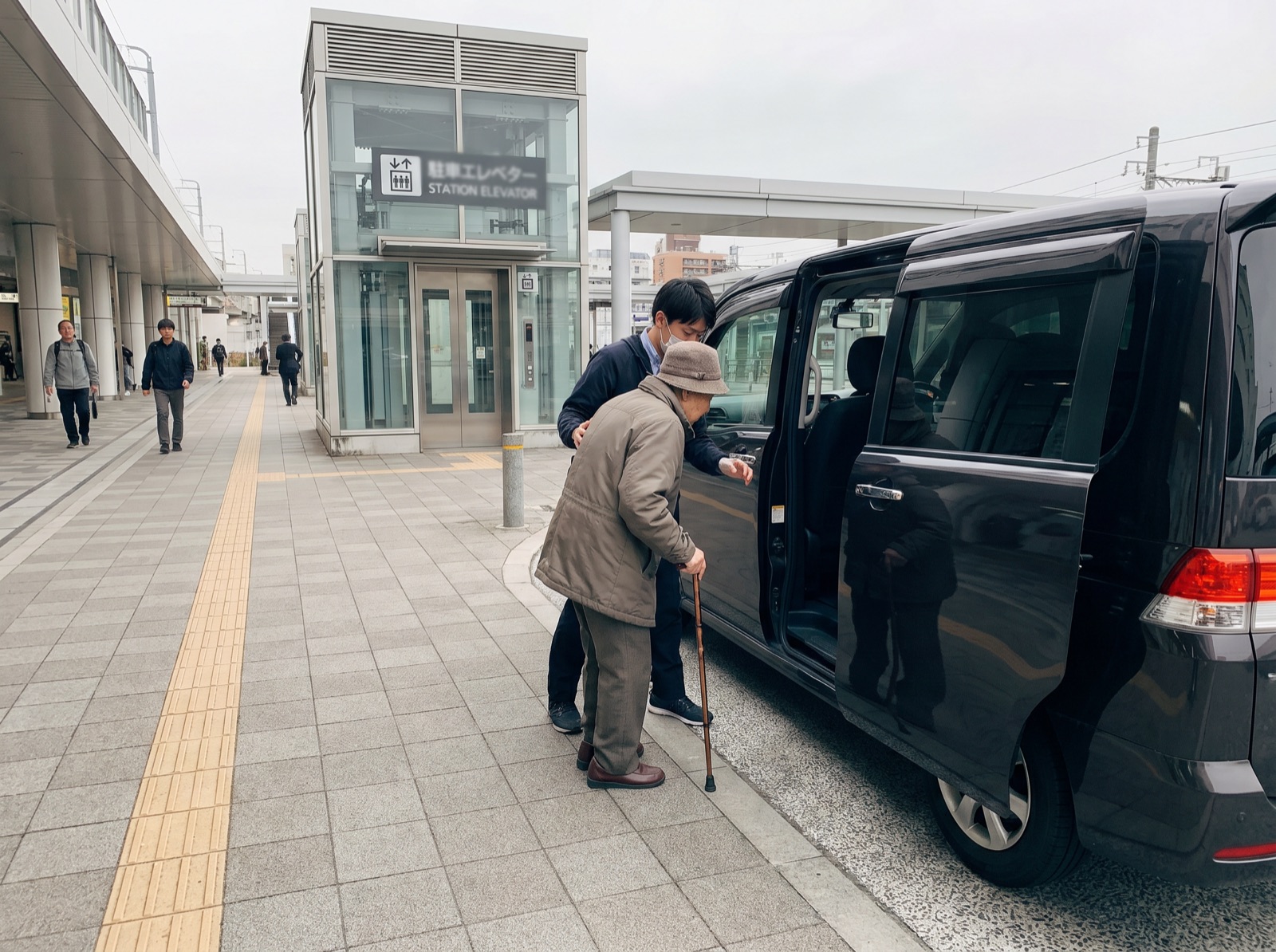
Quick answer
A senior-friendly Japan trip should usually include one or two main places per day. Plan hotels, stations, elevators, restaurants and rest stops together instead of treating transport as an afterthought.
Start with walking load
Map distance is not enough. Station transfers, stairs, slopes, queue time and walking inside attractions all matter. Asakusa, Ginza, Tokyo Station, Higashiyama, Arashiyama, Hakone and Kawaguchiko can work if the day is controlled.
Hotel location beats rating
For senior travelers, choose hotels near major stations, elevator exits, taxi pickup points and restaurants. Room size, bathroom access, breakfast and nearby convenience stores can affect comfort every day.
When a private car helps
Mt. Fuji, Hakone, Karuizawa, Izu, Kyoto outskirts and airport-to-ryokan transfers are strong private car cases. The value is less transfers, controlled timing, easier luggage and rest when needed.
Plan meals and rests early
Do not leave lunch and dinner to chance. Prepare comfortable restaurants near the route and plan rest options such as cafes, department stores, the hotel lobby or the vehicle.
Before inquiry
Share ages, walking tolerance, wheelchair or cane needs, onsen preference, dietary restrictions, hotel level, budget, must-visit places and days that should stay light.
Prepare These Details Before You Ask
- How long senior travelers can walk continuously and whether stairs should be avoided.
- Cane, wheelchair, medicine storage or more frequent restroom needs.
- Whether the hotel is close to elevator exits, taxi points and dinner choices.
- At least one seated rest option every half day and an indoor backup for rain.
- Which days must stay light and which days can include a private car or suburbs.
Practical Ways to Structure the Plan
Low-walking Tokyo day
Asakusa, Ginza and Tokyo Station areas can work as light half-day routes if station transfers are reduced.
Mt. Fuji private car day
Use the car for fewer transfers, vehicle rest and luggage support. Keep the number of stops lower than an adult checklist route.
Ryokan rest day
Treat the ryokan night as recovery time, not just a place to arrive late and sleep.
Common Planning Mistakes
- Underestimating walking inside Japanese stations because two places look close on the map.
- Adding too many must-visit places without an option for seniors to return early.
- Choosing a cheaper hotel location that is inconvenient for elevators, stations and restaurants.
FAQ
Can senior travelers do independent Japan travel?
Yes, but it should not be unplanned. Hotels, transport, restaurants and walking load need to be checked early.
Do seniors need a private car every day?
No. City days can mix trains, taxis and short walks. Suburban, luggage-heavy and ryokan routes are better private-car candidates.
Are ryokan suitable for senior travelers?
Often yes, but check room type, meals, bath access, stairs, elevators, transfers and rest-friendly movement.