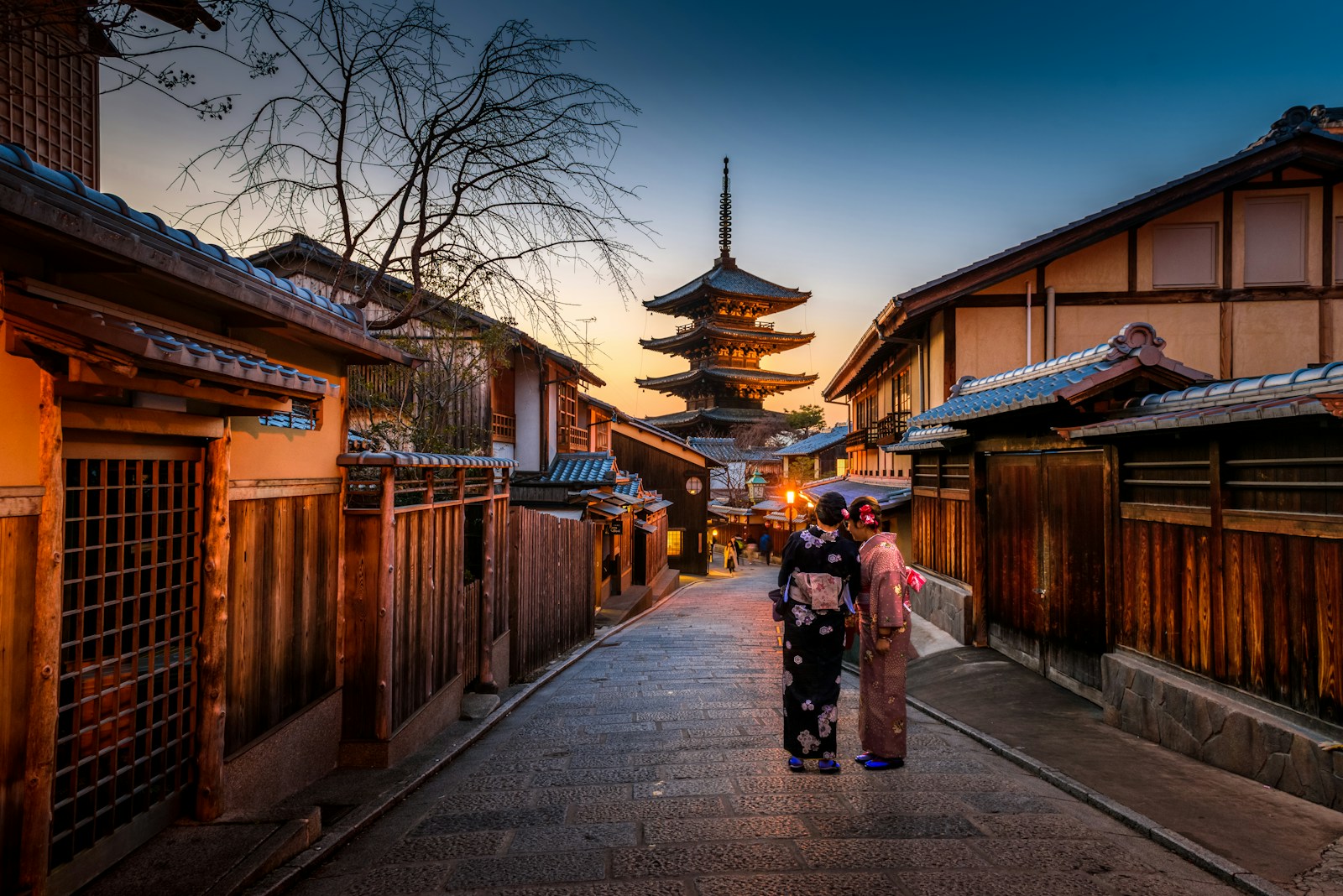
【Summer 2026】15 Best Places to Visit in Japan | Complete Summer Travel Guide
In the summer of 2026, Japan is the perfect travel destination, offering a mix of vibrant traditional festivals, breathtaking beaches, and refreshing mountain escapes.
Based on the latest travel statistics from the Japan National Tourism Organization (JNTO Official Website), this guide presents the 15 best summer destinations in Japan in 2026, sorted by region with access details, key attractions, and peak travel windows.
1. Kerama Islands (Okinawa) — Crystal-Clear Waters at World-Class Beach Resorts
Location: Okinawa Prefecture (Approx. 50 mins by ferry from Naha) Best Season: Late June to September
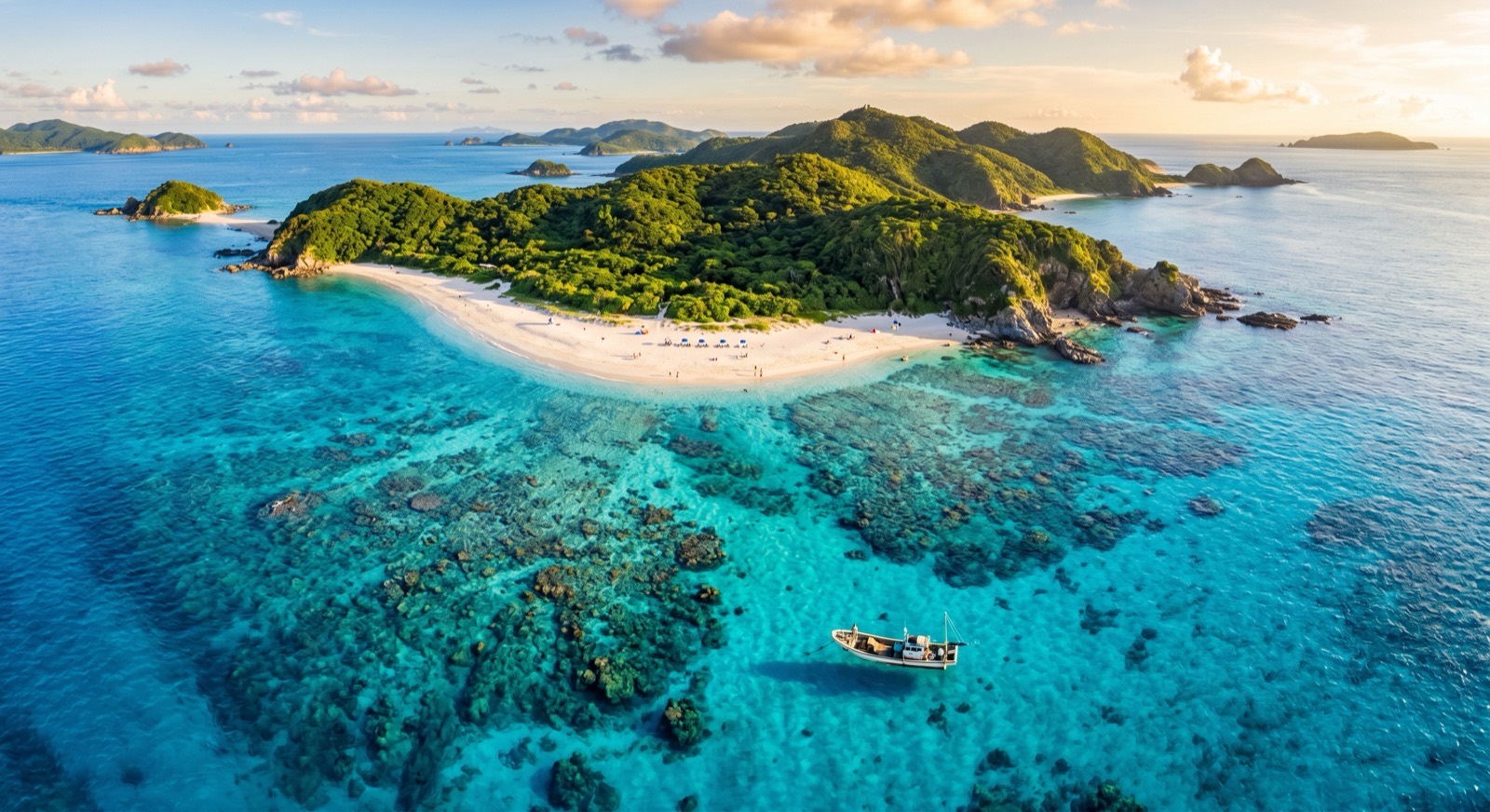
Known for "Kerama Blue," a term representing the legendary clarity of the sea, the Kerama Islands were designated as a national park in 2014. Centering on Zamami, Tokashiki, and Aka Islands, it is a paradise for marine activities like snorkeling, diving, and observing wild sea turtles.
Access & Practical Info
- Ferry from Naha Tomari Port: Fast ferry takes 50 mins to Zamami Island, 35 mins to Tokashiki Island
- Cost: Round-trip fast ferry is around 6,000 - 7,000 JPY
- Reservation Tip: Fast ferries book out quickly during the summer holidays (July - August); reserve at least 2 weeks in advance
- Recommended Beach: Furuzamami Beach (awarded two stars in the Michelin Green Guide Japan).
2. Fushimi Inari Shrine (Kyoto) — Thousand Torii Gates & Mystic Lantern Light-up
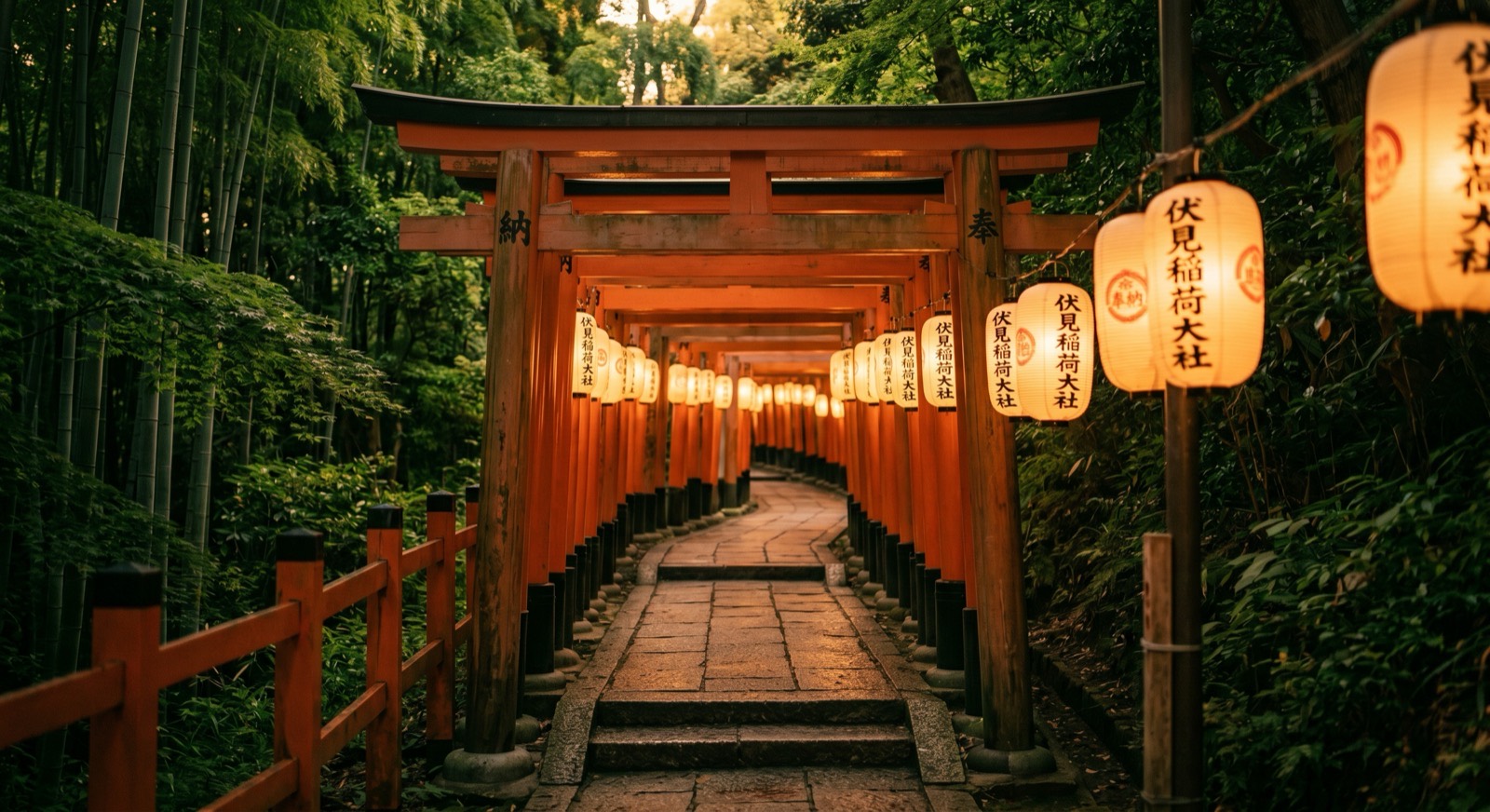
Location: Kyoto City, Kyoto Prefecture Best Season: July to August (The Motomiya Festival in late July is highly recommended)
Fushimi Inari Shrine is world-famous for its Senbon Torii (Thousand Vermilion Torii Gates) winding up the mountain. In late July, the shrine hosts the Motomiya Festival, during which thousands of red lanterns are lit up across the grounds, creating a mystical, picture-perfect atmosphere.
Access & Practical Info
- Access: Right outside JR Nara Line "Inari Station", or a 5-minute walk from Keihan Line "Fushimi-Inari Station"
- Admission: Free (Open 24 hours)
- Photo Tip: Visiting at 5:00 - 6:00 AM allows you to avoid crowds and photograph the morning sun casting dramatic shadows through the gates
- Local Food: Try the local street food, including grilled sparrow and Kitsune Udon.
3. Furano Lavender Fields (Hokkaido) — A Purple Ocean Over Rolling Hills
Location: Furano and Nakafurano, Hokkaido Best Season: Early July to Late July (Lavender peak bloom)
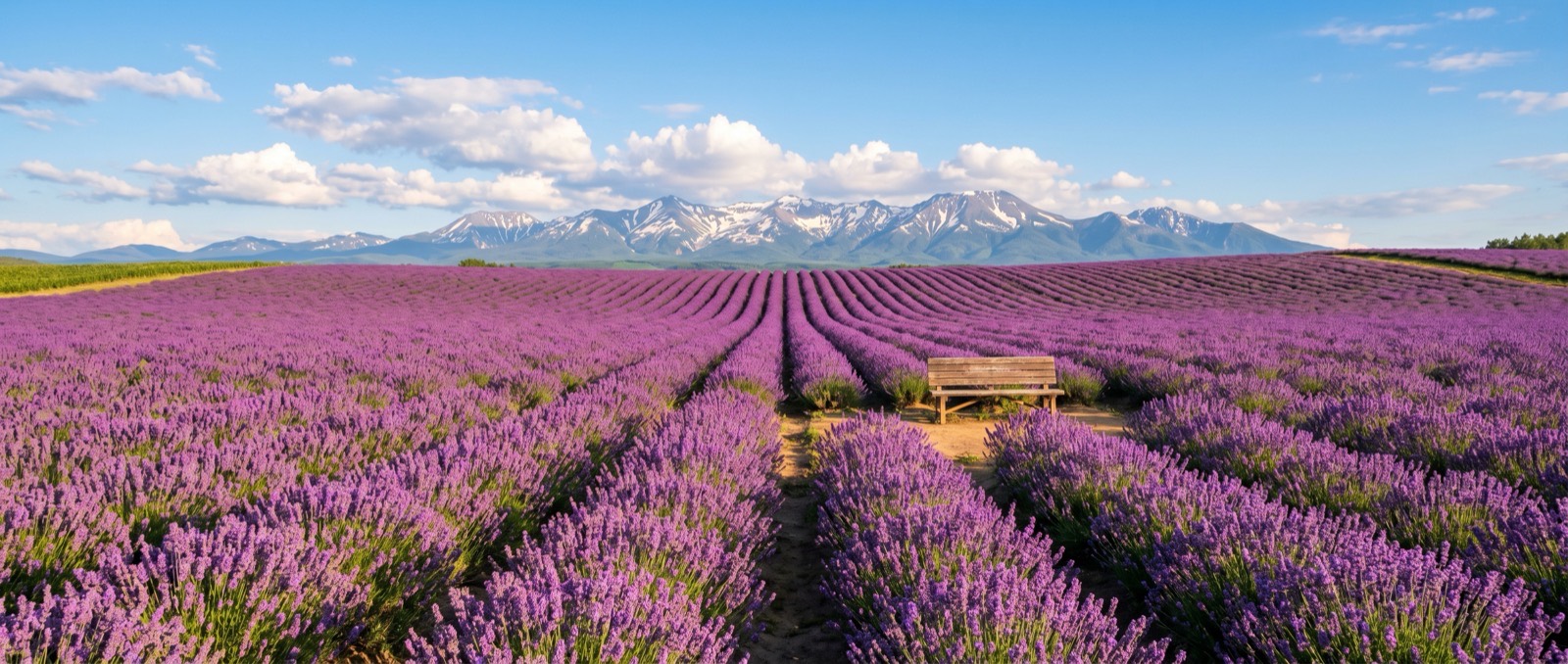
Hokkaido's lavender fields are a classic image of the Japanese summer. Farm Tomita features about 15 hectares of lavender fields with a stunning backdrop of the Tokachi mountain range, all open to the public for free.
Access & Practical Info
- Train: Get off at JR Furano Line "Lavender-Batake Station" (temporary station open only in summer), then walk 7 mins
- Car: Approx. 45 mins from Asahikawa Airport
- Admission: Free
- Specialty: Don't miss the lavender soft-serve ice cream (350 JPY) and lavender essential oils
- Tips: Weekdays before noon are best; weekends in mid-July are extremely crowded.
4. Sumida River Fireworks Festival (Tokyo) — Tokyo's Ultimate Summer Festivity
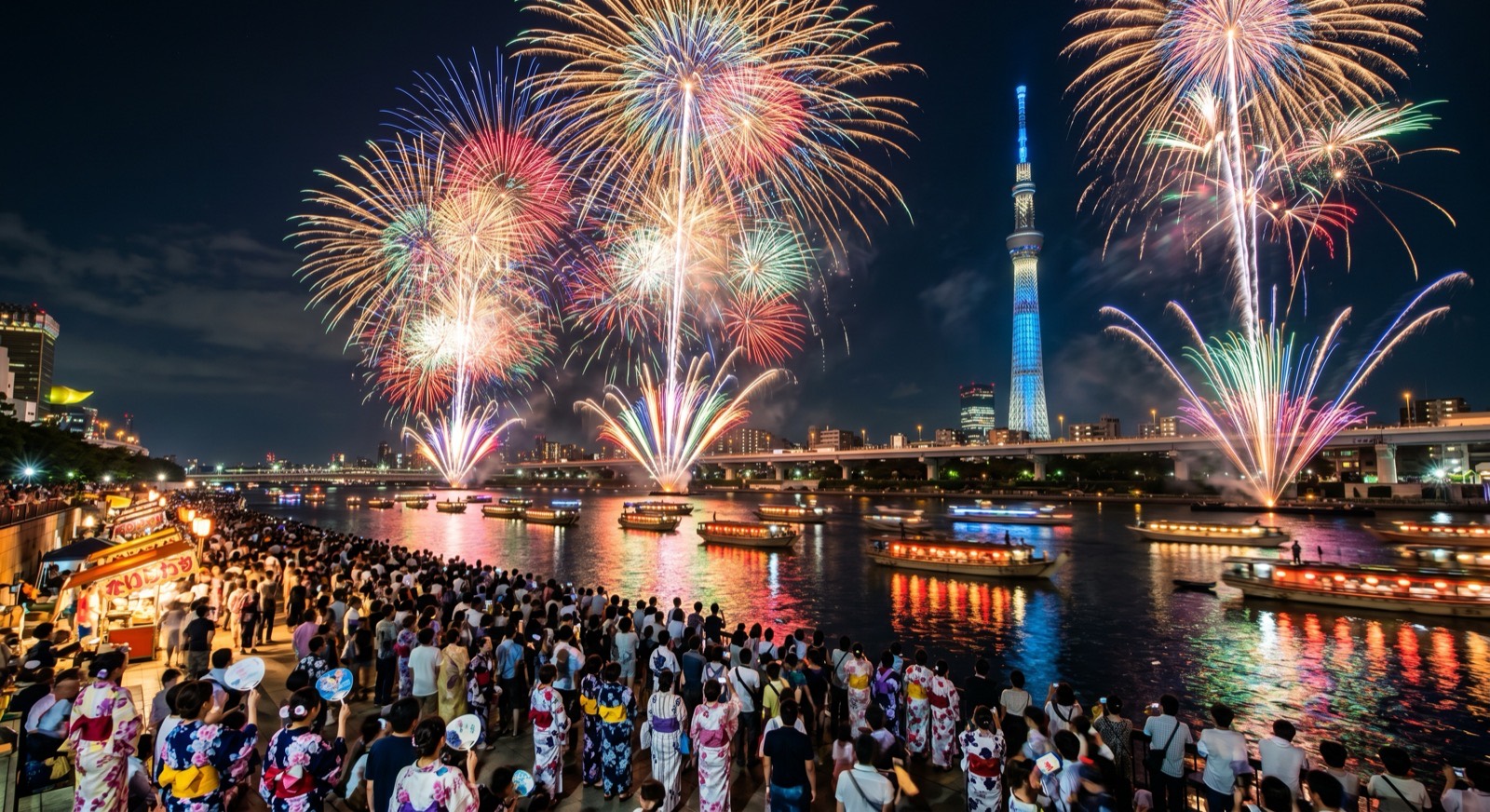
Location: Taito and Sumida Wards, Tokyo (Along the Sumida River) Date: Last Saturday of July
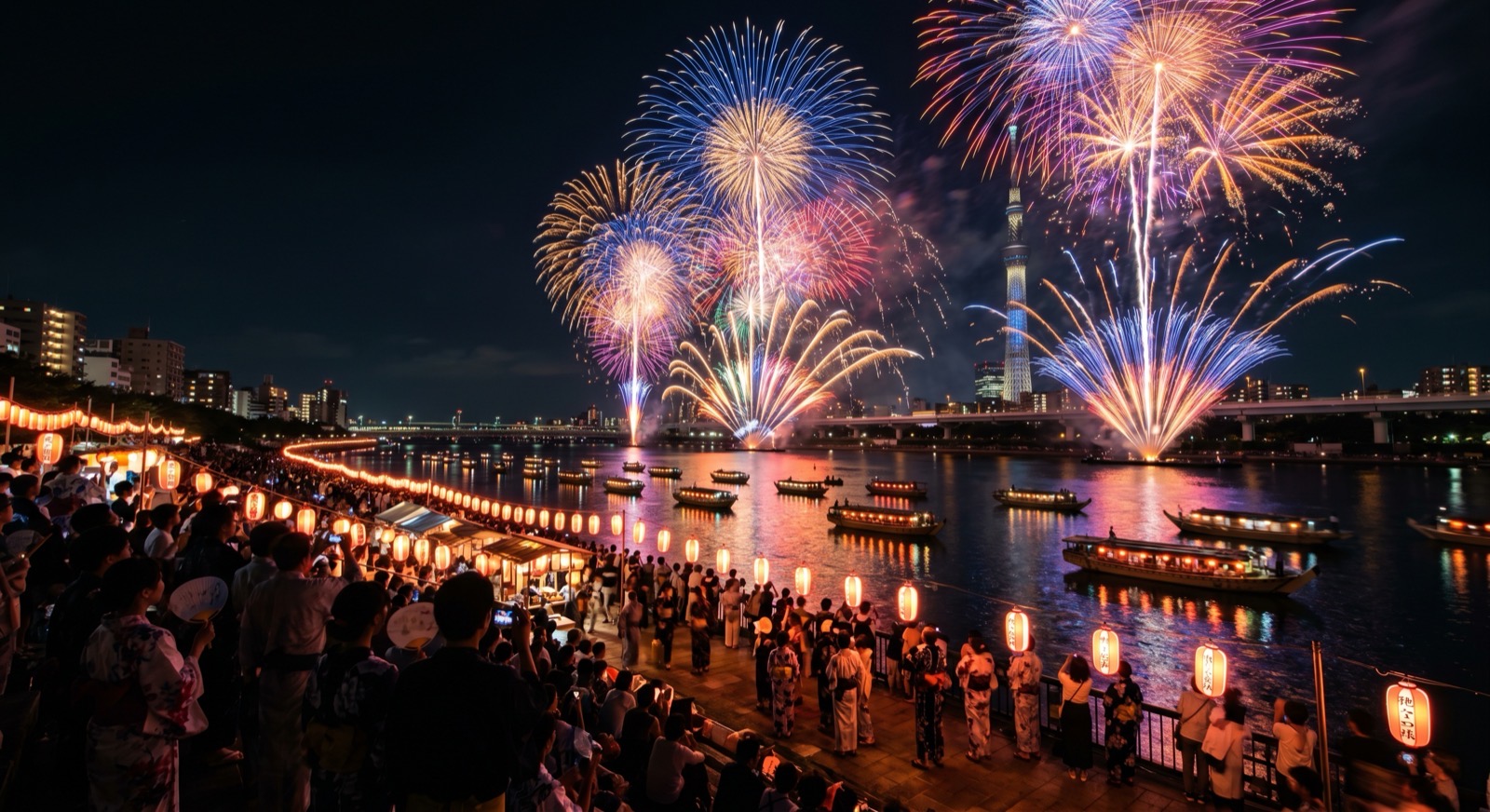
Sumida River Fireworks is one of Japan's oldest and grandest fireworks displays, featuring 20,000 shells reflecting against the Tokyo Skytree. Millions gather for this spectacular show, making it the focal point of Tokyo's summer. (For details on other shows, see our 2026 Japan Fireworks Festival Guide.)
Access & Practical Info
- Nearest Stations: Asakusa Station (Tokyo Metro Ginza Line) or Honjo-azumabashi Station (Toei Asakusa Line)
- Cost: Free from the riverbanks; paid seats are 7,000 - 12,000 JPY
- Hidden Spots: Shioiri Park (Minami-Senju) or Tower Hall Funabori Observatory
- Warning: Train stations are heavily restricted; arrive before 16:00 to secure a spot
- Yukata Rental: Rental shops near Asakusa offer dress-up services for 3,000 - 5,000 JPY.
5. Kamikochi (Nagano) — Pristine Streams & Mountain Escapes in the Japan Alps
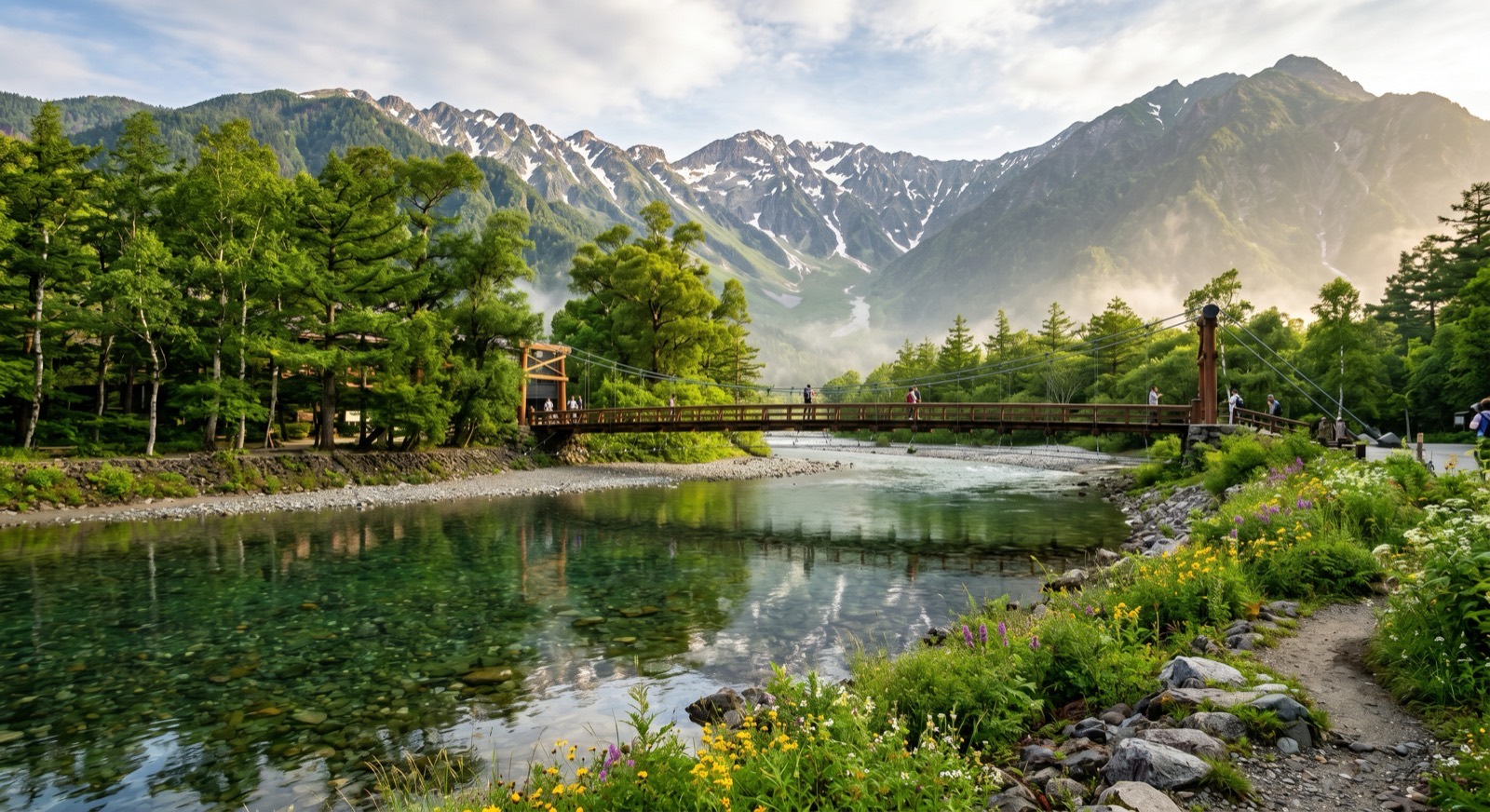
Location: Matsumoto City, Nagano Prefecture (Elevation: 1,500m) Best Season: July to August
Kamikochi is an alpine highland valley located in the Hida Mountains. Because of its 1,500m elevation, it remains cool in summer with average temperatures around 20°C. The iconic view of Kappa Bridge with the Hotaka Mountain Range and the emerald-green Azusa River is one of Japan's most celebrated landscapes.
Access & Practical Info
- Access: 1.5 hours by bus from Matsumoto Bus Terminal (Private cars are banned to protect the environment)
- Cost: Round-trip bus is approx. 4,800 JPY
- Hiking Route: A popular 4-hour course runs from Kappa Bridge to Myojin Pond and Tokusawa
- Hotels: Kamikochi Imperial Hotel and Kamikochi Lemeiesta Hotel are highly popular (reserve early)
- Note: Closed from mid-November to mid-April. Trash must be carried out.
6. Miyajima & Itsukushima Shrine (Hiroshima) — The World Heritage Shrine on the Water
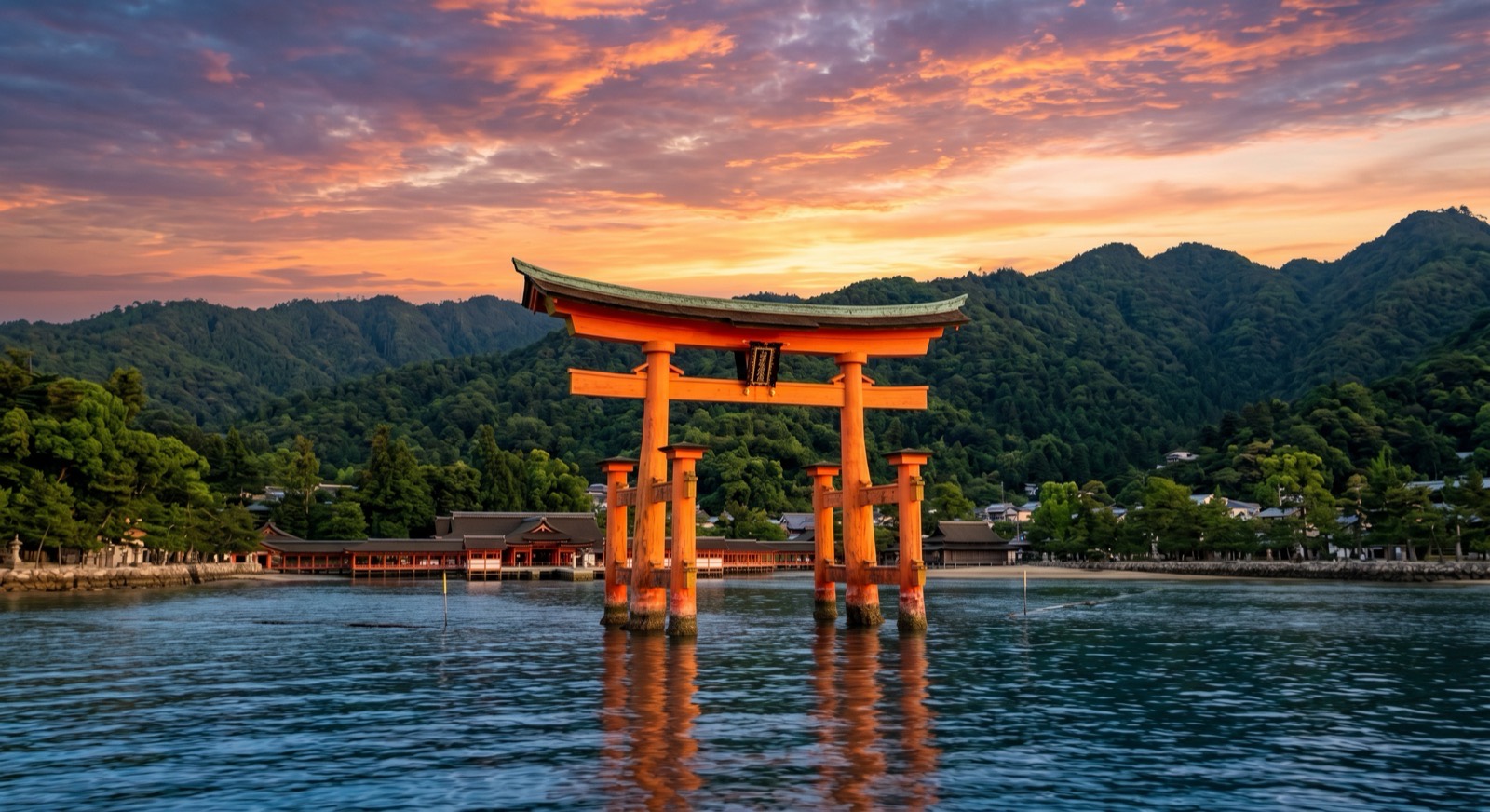
Location: Hatsukaichi City, Hiroshima Prefecture Best Season: June to September (August is special for the Miyajima Water Fireworks Festival)
Itsukushima Shrine is famous for its massive floating Torii gate. At high tide, the shrine and gate appear to float on the sea, while at low tide, visitors can walk right up to the base of the gate. In summer, the Miyajima Water Fireworks Festival launches fireworks from boats, silhouetting the red gate against colorful explosions.
Access & Practical Info
- Ferry: 10-minute ferry ride from JR Miyajimaguchi Station
- Admission: 300 JPY for Itsukushima Shrine
- Local Food: Grilled oysters (from 200 JPY), Momiji Manju (maple leaf-shaped cakes), and conger eel rice
- Tide Check: Check the daily tide tables beforehand to experience both high and low tide views
- Mount Misen: Take the ropeway to the peak for a 360-degree panorama of the Seto Inland Sea.
7. Aomori Nebuta Festival (Aomori) — Massive Illuminated Floats in a Dynamic Summer Dance
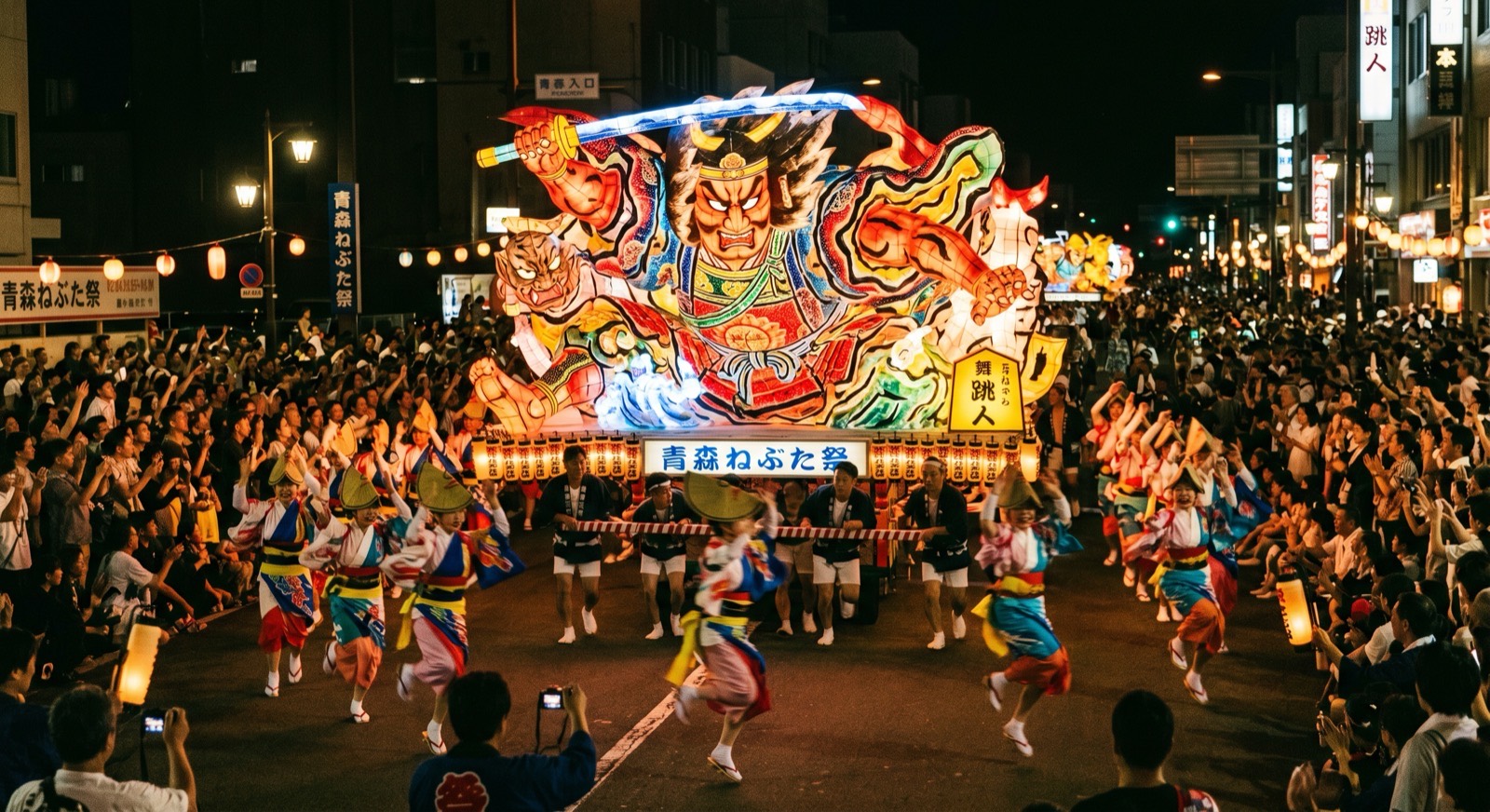
Location: Central Aomori City, Aomori Prefecture Dates: August 2 to 7 (Every year)
The Aomori Nebuta Festival is one of Japan's most famous festivals, featuring giant, colorful lantern floats (measuring 5m high and 9m wide) paraded through the streets. Designated as an Important Intangible Folk Cultural Property, visitors can dress up in traditional costume (Haneto) and join the dancers chanting "Rassera!"
Access & Practical Info
- Access: Take the JR line (6 mins) from Shinkansen "Shin-Aomori Station" to "Aomori Station"
- Join the Dance: Anyone can join the parade by renting the official Haneto costume (approx. 10,000 JPY)
- Paid Seats: Reserved seats are available from 3,500 JPY
- Accommodation: Aomori hotels sell out months in advance; book at least 3 months ahead
- Highlights: The final night (August 7) features a daytime parade, followed by a bay cruise of the floats and a fireworks show.
8. Kanazawa Chaya Districts (Ishikawa) — Historic Townscapes of a Castle Town
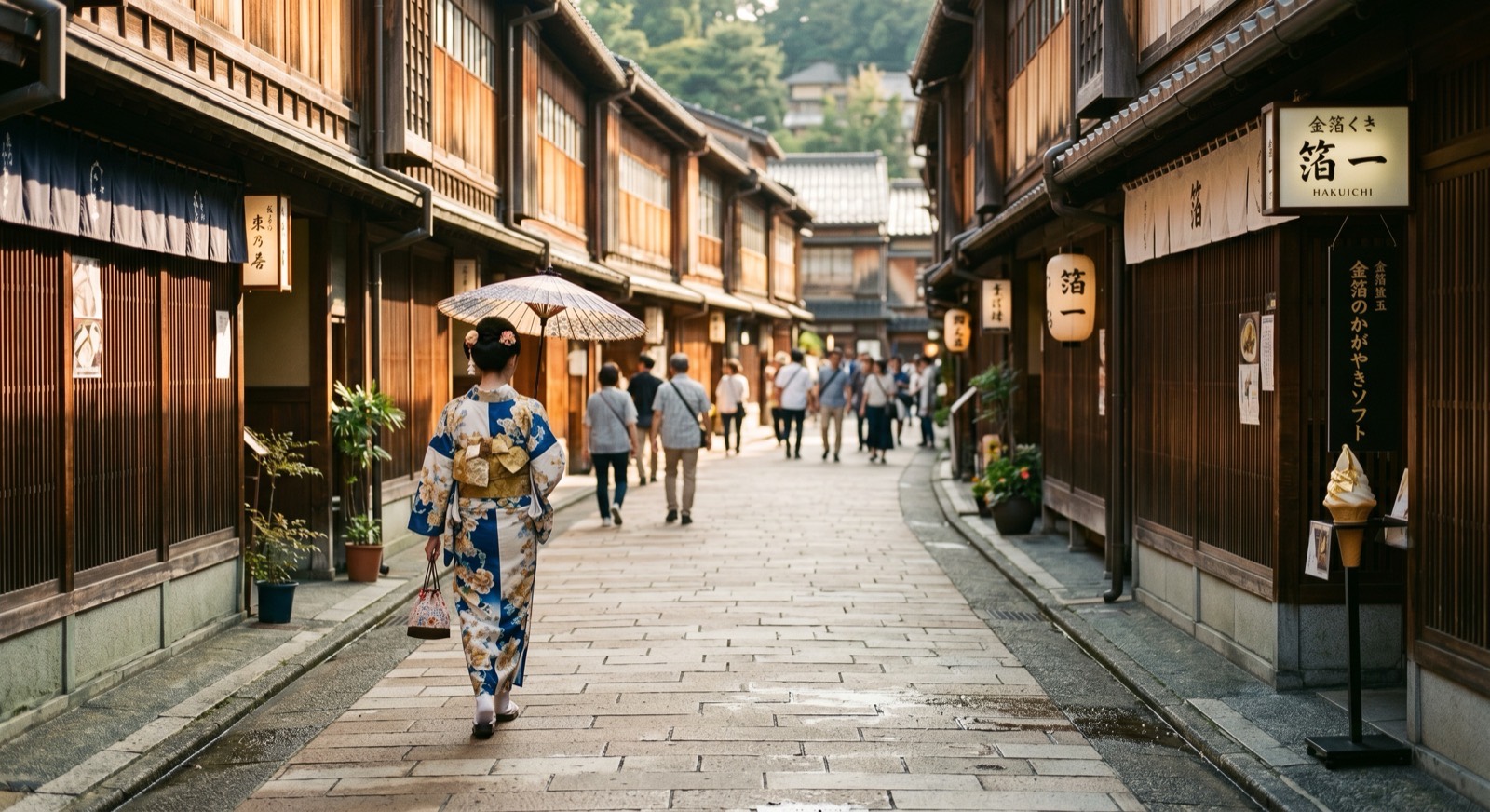
Location: Kanazawa City, Ishikawa Prefecture (Higashi Chaya, Nishi Chaya, Kazuemachi Chaya Districts) Best Season: June to September
Kanazawa's Higashi Chaya district features beautifully preserved wooden teahouses from the Edo period. Walking the stone-paved alleys with a gold-leaf ice cream is a classic summer experience. The extension of the Hokuriku Shinkansen to Tsuruga has made access from western Japan even easier.
Access & Practical Info
- Access: 10 mins by bus or 7 mins by taxi from JR Kanazawa Shinkansen Station
- Budget: Gold-leaf soft-serve is approx. 900 JPY; Kaga tea experience is approx. 1,500 JPY
- Must-visit: 21st Century Museum of Contemporary Art and Kenroku-en Garden
- Kimono Rental: Available for 3,000 - 8,000 JPY, including hair styling (highly recommended for photos)
- Local Food: Seafood bowls at Omicho Market (1,500 - 3,000 JPY) and Jibuni stew.
9. Yakushima (Kagoshima) — Ancient Cedar Forests & Mossy Hikes
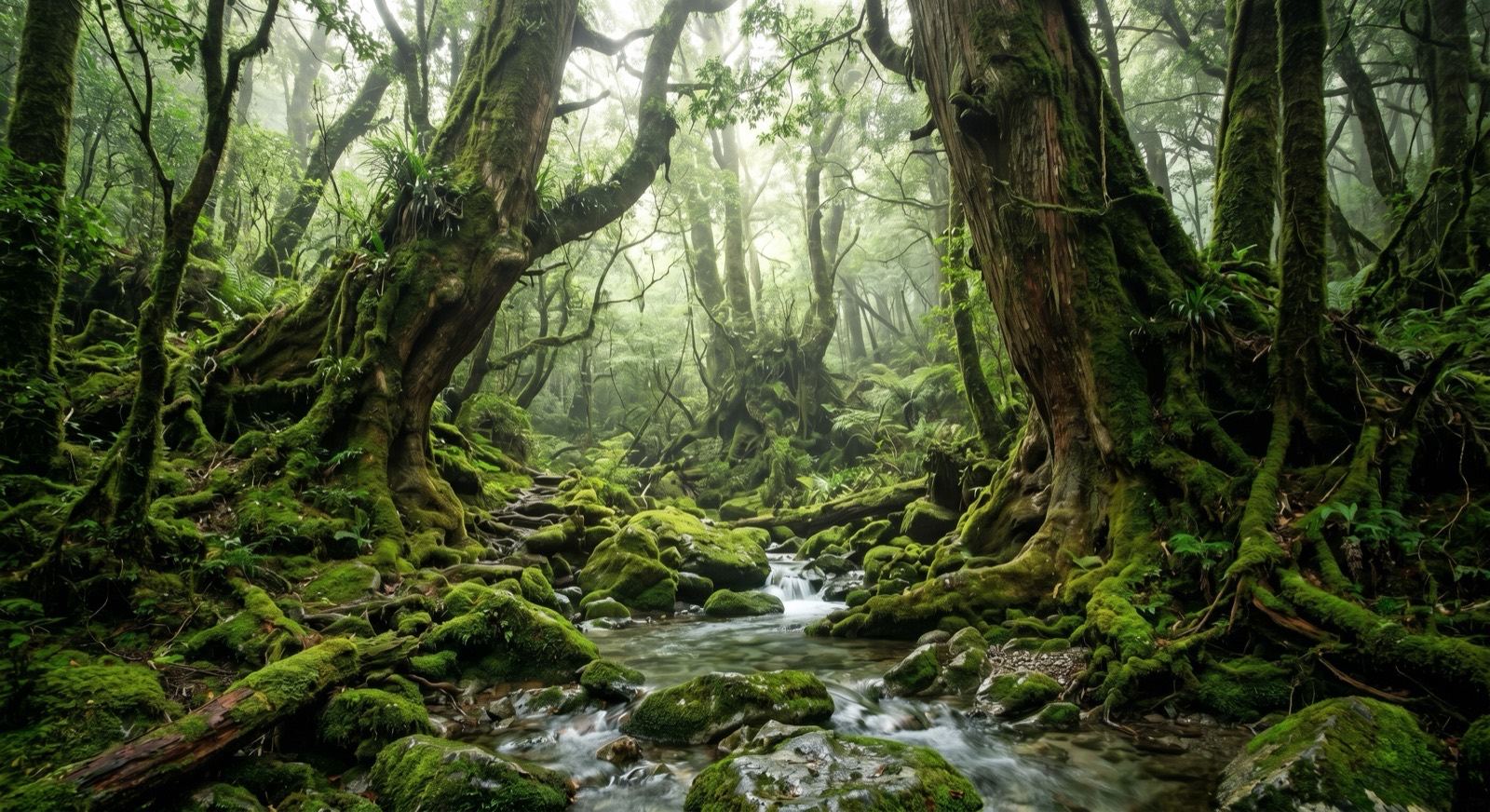
Location: Yakushima Town, Kagoshima Prefecture Best Season: July to August (After the rainy season)
Yakushima, registered as a World Natural Heritage Site in 1993, is home to the ancient Jomon Sugi cedar (estimated to be up to 7,200 years old) and the moss-covered forests of Shiratani Unsuikyo, which inspired the Ghibli movie Princess Mononoke. Summer (especially late July to August) is the peak season when the green foliage is at its most vibrant.
Access & Practical Info
- Flight: 35-minute flight from Kagoshima Airport to Yakushima Airport
- Ferry: 2 hours by high-speed ferry "Toppy" from Kagoshima Port
- Jomon Sugi Hike: A challenging 10-hour round-trip trek; guided tours cost 15,000 - 25,000 JPY
- Shiratani Unsuikyo: Easier 3 to 5-hour courses; admission is 500 JPY
- Note: Rain gear is essential as weather changes rapidly. Hiking registration is mandatory.
10. Dotonbori & Shinsekai (Osaka) — Street Food & Summer Festival Vibrancy
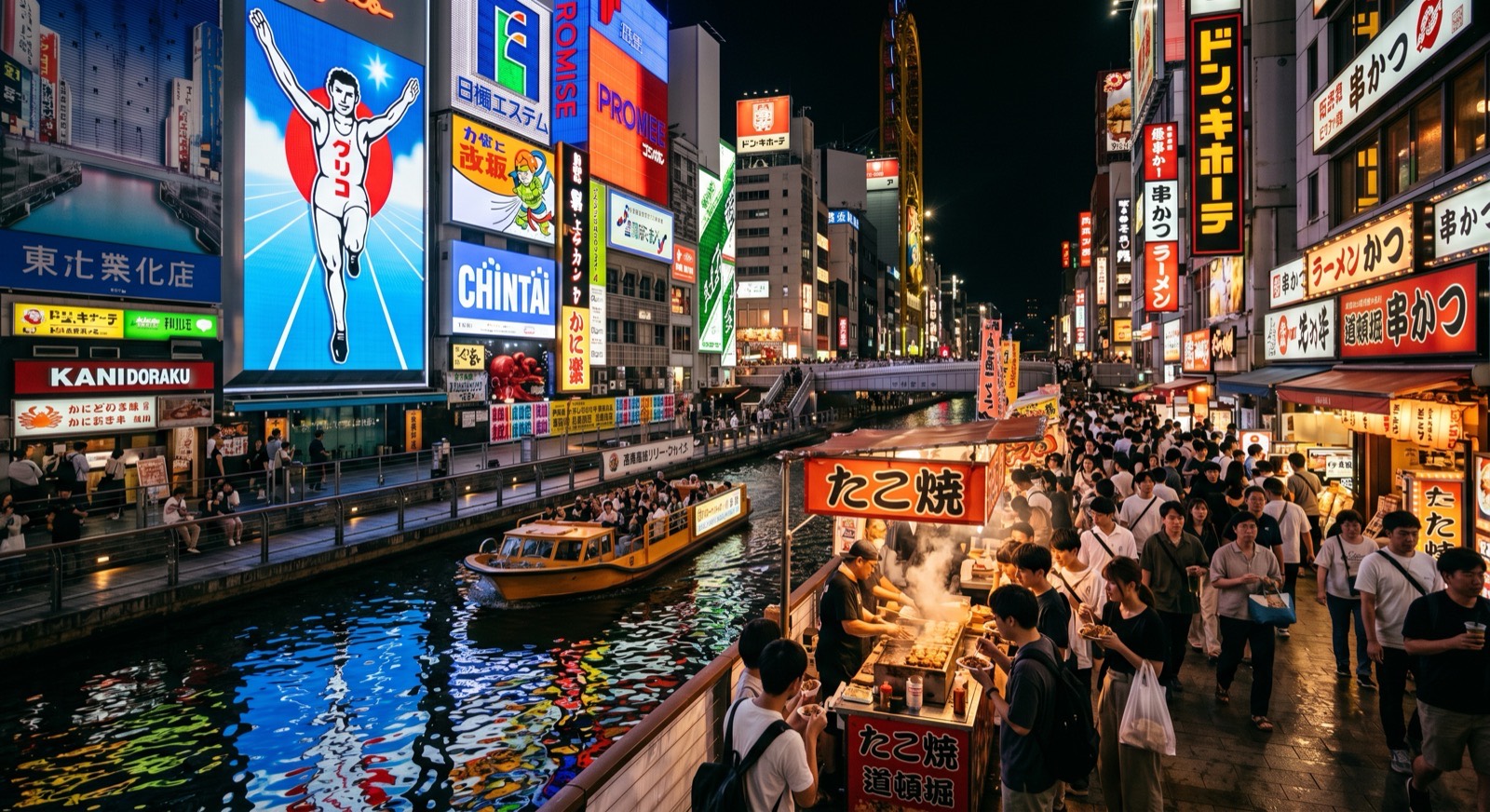
Location: Chuo and Naniwa Wards, Osaka City Best Season: Year-round (Late July during the Tenjin Festival is best)
Dotonbori is famous for its flashing neon signs, giant Glico running man billboard, and moving crab signs. Summer is best visited around the Tenjin Festival (July 24-25), when 100 boats sail the river and 5,000 fireworks are launched.
Access & Practical Info
- Nearest Stations: Namba Station (Osaka Metro Midosuji Line) or Osaka-Namba Station (Kintetsu Line)
- Street Food: Try Takoyaki (500-800 JPY), Kushikatsu skewers (100-200 JPY per skewer), and Okonomiyaki (800-1,500 JPY)
- Shinsekai: Visit Tsutenkaku Tower (900 JPY entry) and explore the Janjan Yokocho alley
- Nightlife: Explore the narrow alleys of Hozenji Yokocho or the trendy bars of Ura-Namba.
11. Lake Kawaguchi (Yamanashi) — Mount Fuji Backed by Purple Lavender Fields
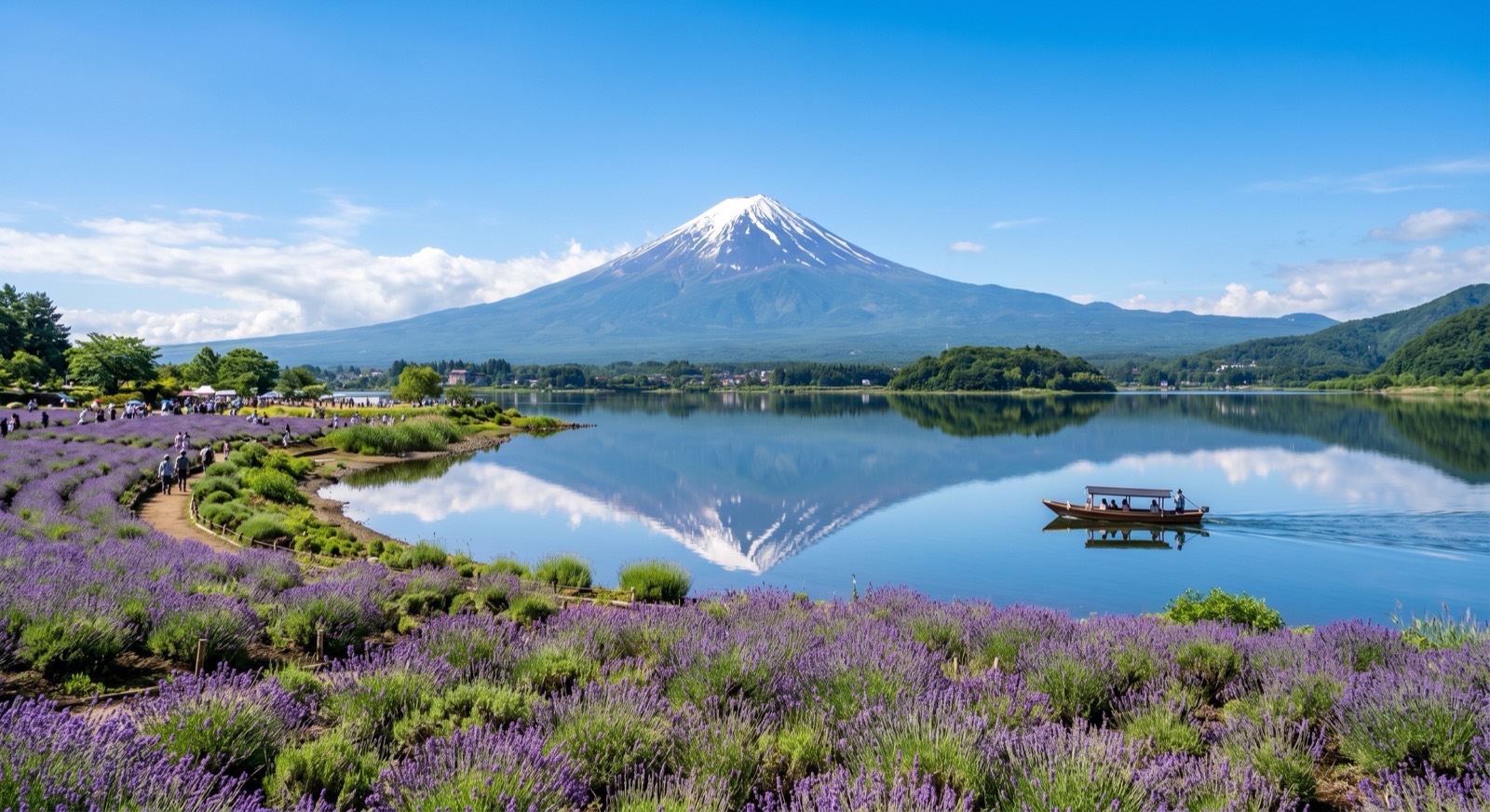
Location: Fujikawaguchiko Town, Yamanashi Prefecture Best Season: Late June to Mid-July (During the Kawaguchiko Herb Festival)
Lake Kawaguchi, one of the Fuji Five Lakes, host the Kawaguchiko Herb Festival in early summer. The sight of 100,000 lavender plants blooming along the lake with Mount Fuji rising behind them is spectacular. Cycling along the lake and trying Stand Up Paddleboarding (SUP) are popular summer activities.
Access & Practical Info
- Bus: Direct highway buses from Shinjuku take approx. 1 hour 45 mins (approx. 2,200 JPY)
- Train: Take the JR Central line to Otsuki Station, then transfer to the Fujikyuko Line to Kawaguchiko Station (approx. 55 mins)
- Sightseeing: Lake Kawaguchi Sightseeing Boat (1,000 JPY) and Mt. Fuji Panoramic Ropeway (900 JPY round trip)
- Photo Spot: Oishi Park offers the classic postcard composition of lavender and Mt. Fuji.
12. Niyodo River (Kochi) — Diving into "Niyodo Blue" at Japan's Clearest River
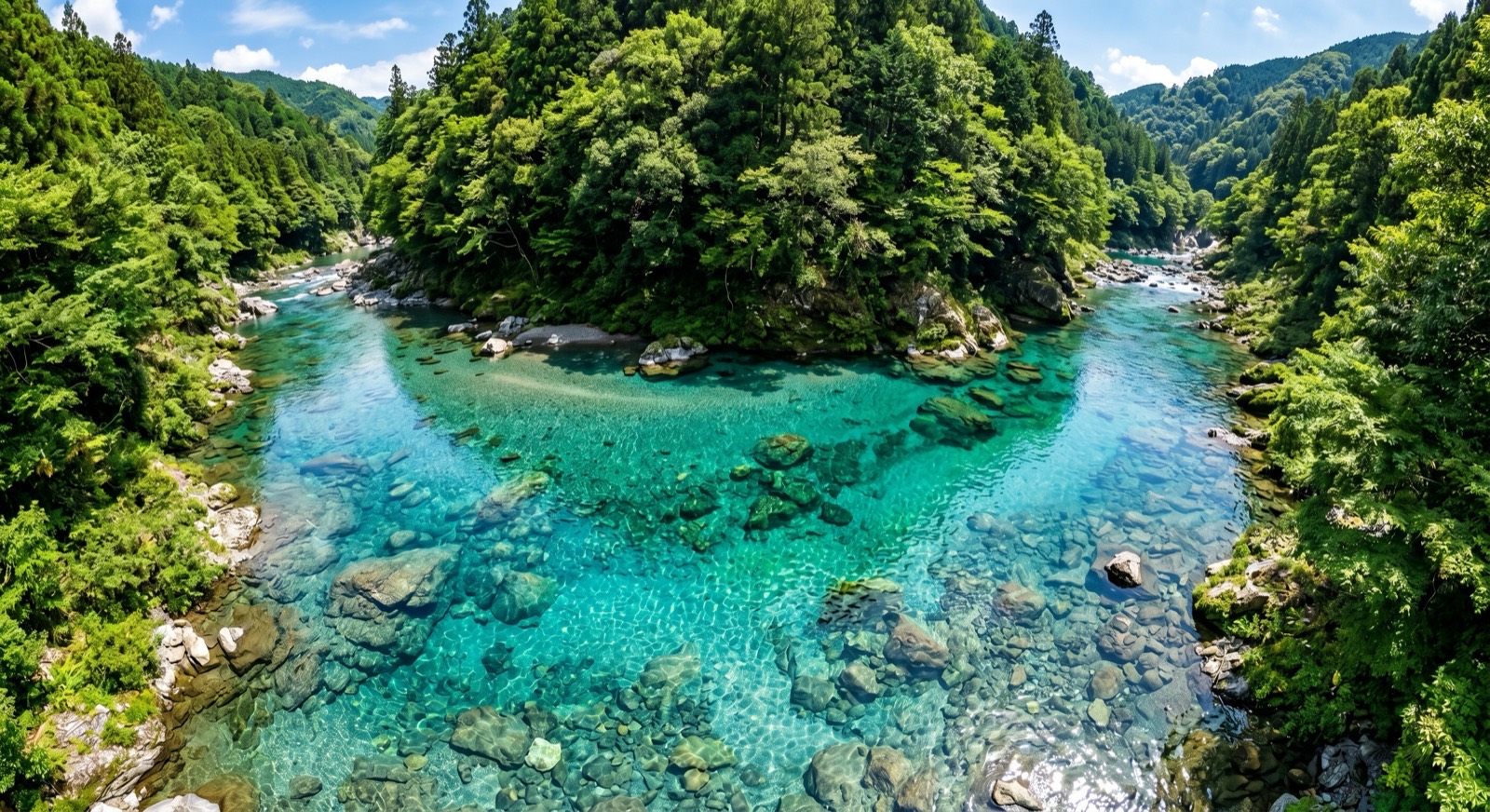
Location: Niyodogawa, Ino, and Ochi Towns, Kochi Prefecture Best Season: July to August
The Niyodo River has repeatedly topped water quality rankings as the clearest river in Japan. Its striking cobalt-blue waters are known as "Niyodo Blue." In summer, the river becomes a playground for SUP, canoeing, swimming, and canyoning. The mystical waterfall basin at Niko渊 (Nikobuchi) is a highlight.
Access & Practical Info
- Car: 40 mins from Kochi City (1 hour to Nikobuchi)
- Bus: 30 mins by bus from JR Sakawa Station
- Activities: SUP experience from 5,000 - 8,000 JPY; canoe experience around 6,000 JPY
- Nikobuchi: Requires climbing down a steep staircase with safety ropes (approx. 10 mins); wear sports shoes
- Note: Swimming is banned at Nikobuchi as it is considered a sacred home of a water deity.
13. Huis Ten Bosch (Nagasaki) — A Million Sunflowers in a European Theme Park
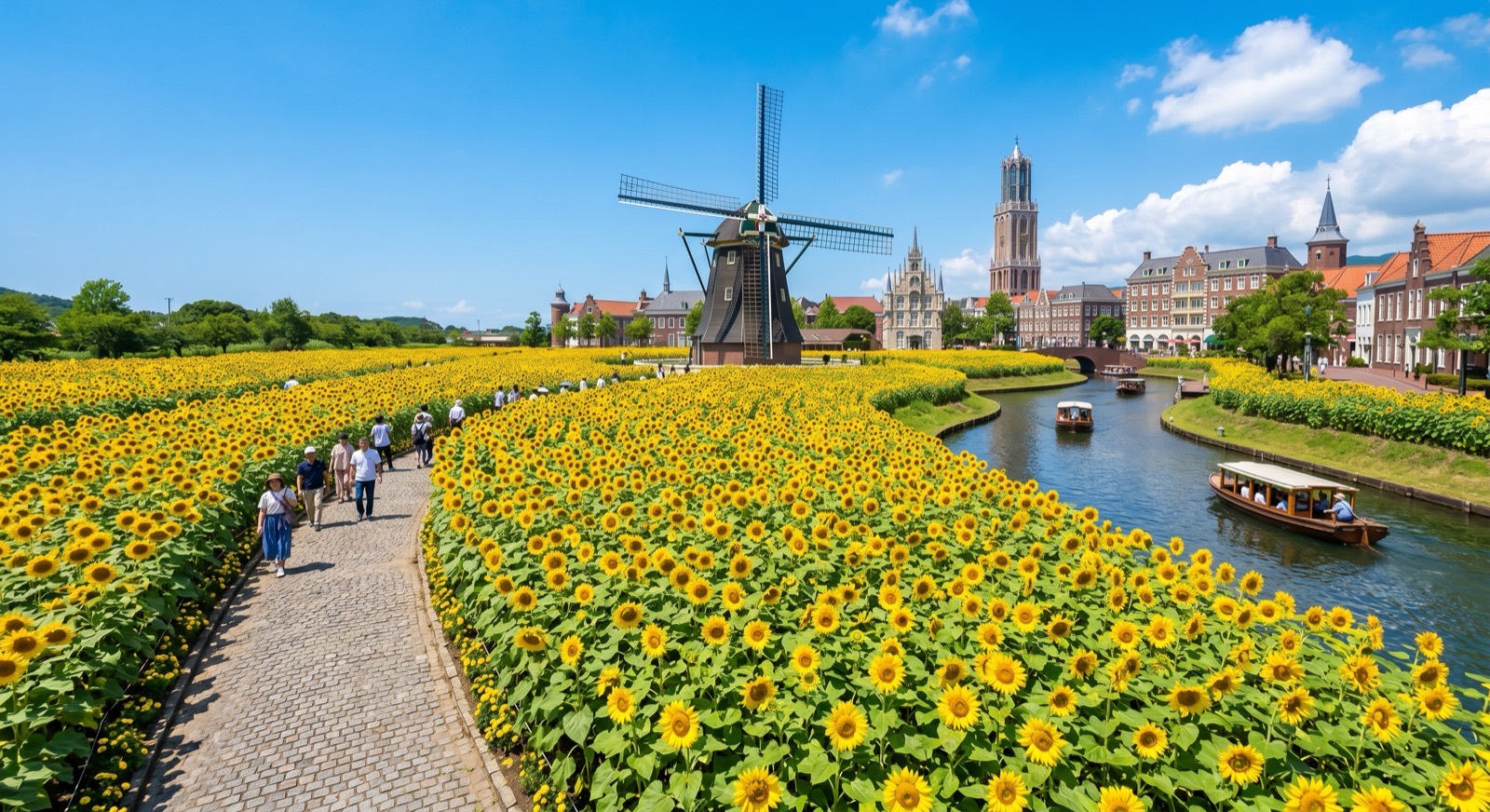
Location: Sasebo City, Nagasaki Prefecture Best Season: July to August (During the Summer Festival)
Huis Ten Bosch is Japan's largest theme park (1.52 million square meters), recreating a classic Dutch townscape. In summer, the park comes alive with 1 million blooming sunflowers along the canals. The park also hosts the "Kyushu No.1 Fireworks Festival" and opens massive water parks and night pools.
Access & Practical Info
- Train: JR Omura Line "Huis Ten Bosch Station" (approx. 1 hour 45 mins by Limited Express from Hakata)
- Ticket: 1-Day Passport for adults is 7,400 JPY
- Summer Events: Outdoor pools, sunflower mazes, and night light shows
- Accommodation: Stay inside the park at Hotel Europe or Hotel Amsterdam for a premium experience
- Night Views: Enjoy the canal illuminations and musical fountain shows.
14. Shirakawa-go (Gifu) — Historic Farmhouses Amid Lush Green Rice Paddies
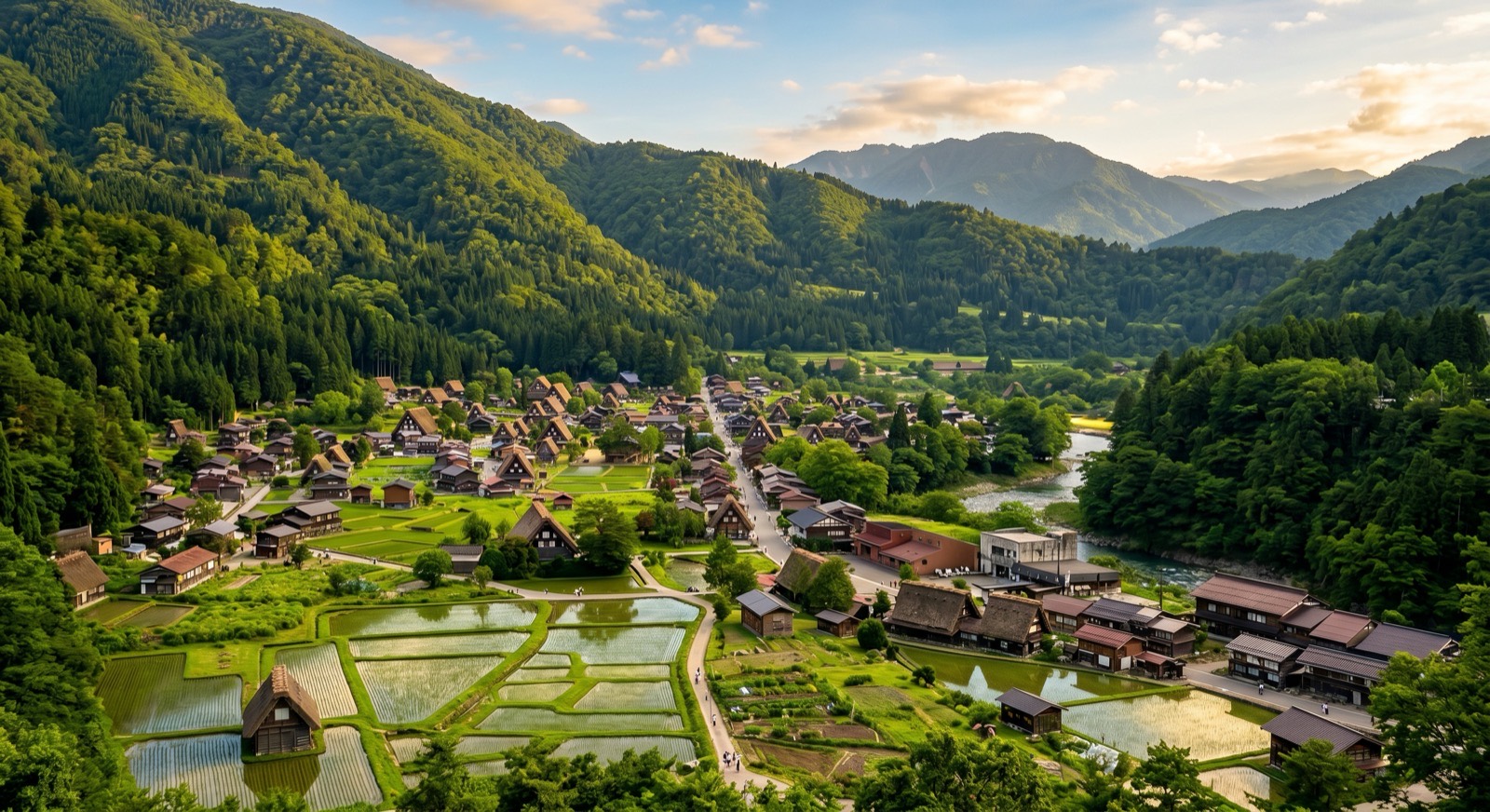
Location: Shirakawa Village, Gifu Prefecture Best Season: June to August (Beautiful contrast of green rice fields and farmhouses)
Shirakawa-go, a UNESCO World Heritage site since 1995, is famous for its traditional Gassho-zukuri (steep-roofed) farmhouses. While famous as a winter snow destination, summer is equally beautiful, showcasing green fields, clear mountain streams, and surrounding forest peaks.
Access & Practical Info
- Bus: 50 mins by Nohi Bus from Takayama Station (2,600 JPY one way) or 1 hour 15 mins from Kanazawa
- Parking: Seseragi Park Parking is 1,000 JPY for private cars
- Experience: Visit the inside of Wada House (300 JPY entry) and taste local Doburoku (unfiltered sake)
- Stay: Booking a night in a traditional farmhouse ryokan (approx. 10,000 - 15,000 JPY with dinner and breakfast) offers an unforgettable experience
- Viewpoint: Walk 15 mins to the Ogimachi Castle Ruins Viewpoint (shuttle buses are 200 JPY).
15. Otaru (Hokkaido) — Nostalgic Canals, Craft Beer & Fresh Sweets
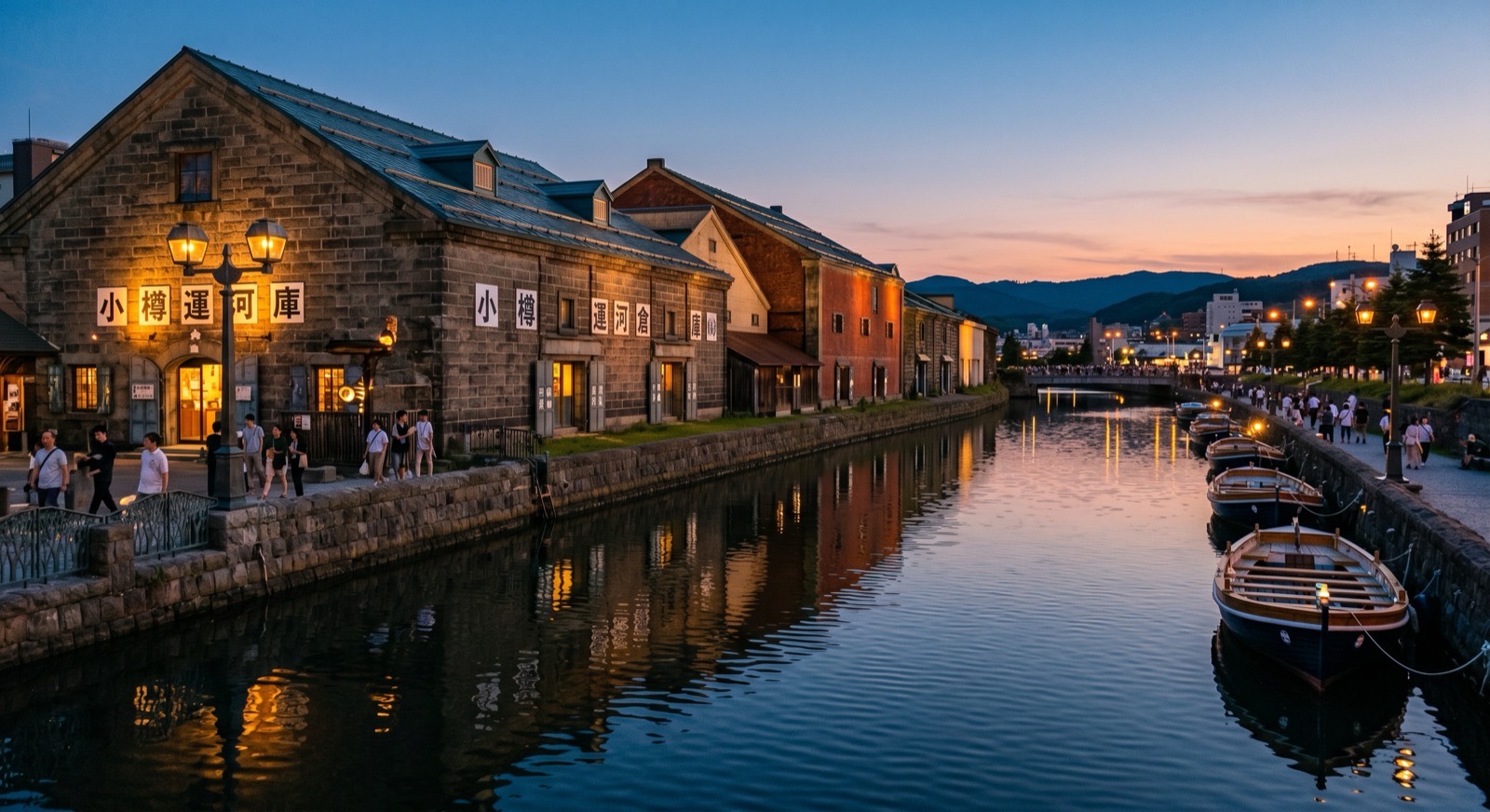
Location: Otaru City, Hokkaido Best Season: July to August (During the Otaru Ushio Festival in late July)
Otaru is a nostalgic port town famous for its historic stone warehouses along the Otaru Canal. With cool summer temperatures averaging around 22°C, it is a highly comfortable destination. Highlights include canal cruises, glass-blowing workshops, local craft beer, and premium confectionery at LeTAO.
Access & Practical Info
- Train: 32 mins by Rapid Airport train from JR "Sapporo Station" to "Otaru Station"
- Canal Cruise: 40-minute cruise for 1,500 JPY (day) or 1,800 JPY (night)
- Local Food: Otaru sushi, Double Fromage cheesecake at LeTAO, and fresh craft beer at the Otaru Beer Hall
- Glass Craft: Try glass blowing at Kitaichi Glass (approx. 3,500 JPY)
- Ushio Festival: Held in late July, featuring a massive dance parade of 3,000 residents and fireworks.
Conclusion & Travel Tips for Summer 2026
To get the most out of your summer trip to Japan in 2026, keep these basic tips in mind:
- Book Ahead: Summer festivals and fireworks attract massive crowds; book hotels and express train tickets months in advance.
- Beat the Heat: Japanese summers are hot and humid (excluding Hokkaido and mountainous areas); wear a hat, apply sunscreen, and stay hydrated.
- Check Social Media: Use Xiaohongshu (RED) and Dianping to search for real-time reviews, congestion updates, and peak travel windows.
For foreign brands and destinations looking to run tourism campaigns or attract Chinese visitors via Xiaohongshu, Dianping, or Douyin, please contact us. PROTECH provides end-to-end inbound marketing solutions tailored to your target audience.