Japan Autumn Foliage Guide 2026: Top 10 Must-Visit Spots
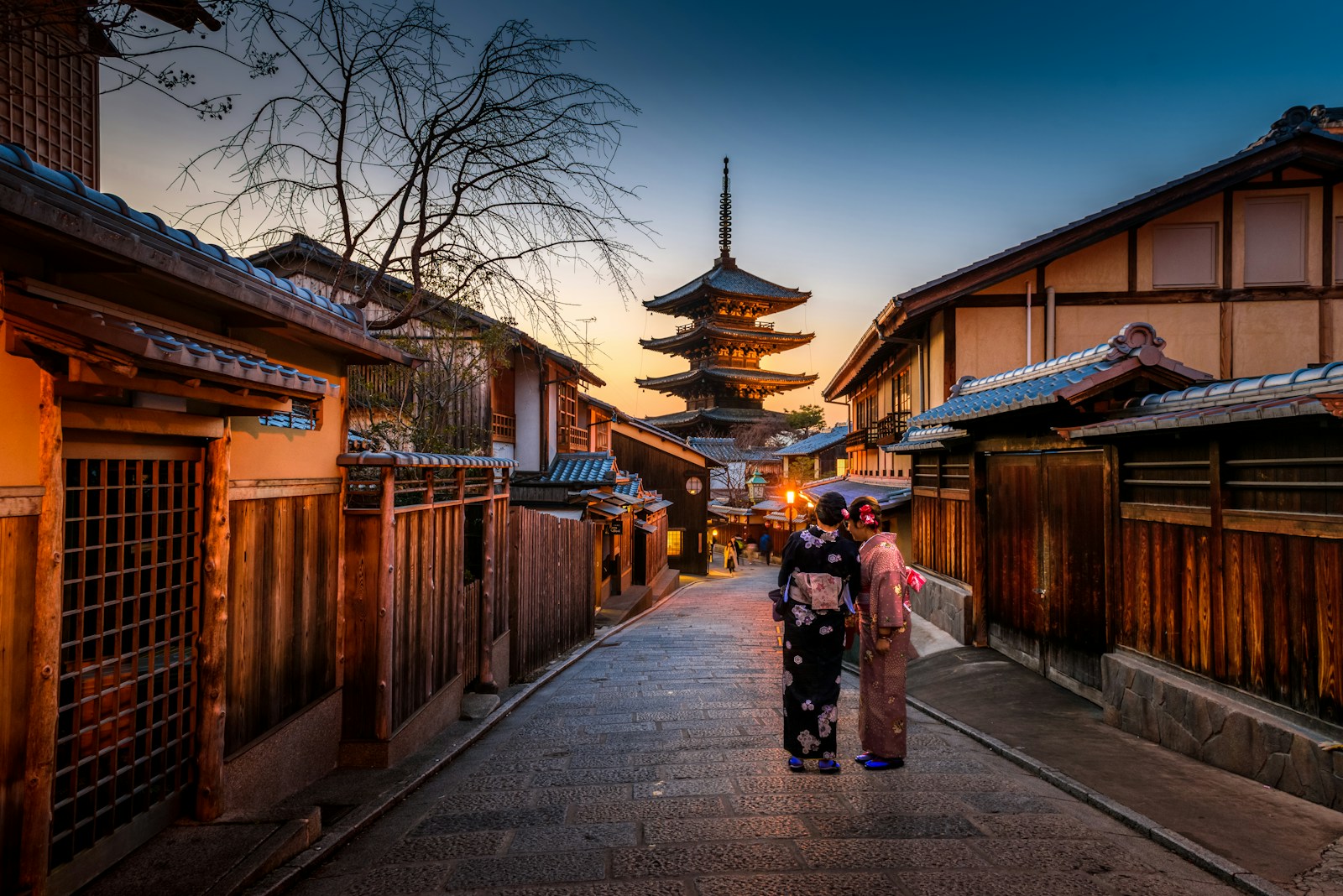
Autumn in Japan is a season of crisp air, pleasant weather, and stunning natural beauty as trees transform into vibrant shades of red, orange, and gold. From illuminated ancient temples to dramatic mountain gorges and golden tree-lined city avenues, Japan in autumn is an unforgettable travel experience.
In this guide, PROTECH presents the top 10 must-visit autumn foliage and sightseeing spots in Japan for 2026, complete with details on highlights, access, and peak viewing times.
1. Arashiyama, Kyoto — Historic Bridges Framing Autumn Mountains
Location: Ukyo Ward, Kyoto City, Kyoto Prefecture
Best Season: Mid-November to Early December
Arashiyama has been a favorite holiday destination for nobles since the Heian period (794–1185). The iconic view of the Togetsukyo Bridge crossing the Oi River against the backdrop of mountains painted in shades of crimson and amber is spectacular. A high concentration of world-famous spots, including Tenryu-ji Temple (a UNESCO World Heritage site) and Jojakko-ji Temple, are packed into this historic district.
Practical Travel Info
- Train Access:
- 15-minute walk from JR Sagano Line "Saga-Arashiyama Station".
- 5-minute walk from Hankyu Arashiyama Line "Arashiyama Station".
- Crowd Prevention: Autumn is the busiest season in Kyoto. Arrive before 8:00 AM to enjoy a peaceful walk. If you plan to ride the Sagano Romantic Train, book your tickets online exactly one month in advance.
- Top Tip: Visit Yusaitei, a historic villa famous for its polished tables that reflect the autumn leaves outside, creating breathtaking photos.
2. Mount Daisetsuzan, Hokkaido — Japan's Earliest Autumn Colors
Location: Kamikawa Town, Hokkaido
Best Season: Mid-September to Late September
Mount Daisetsuzan (Mount Asahidake and Mount Kurodake) is celebrated for having the earliest autumn colors in Japan. Starting from early September, high-altitude slopes turn into a rich tapestry of deep red dwarf blueberries and golden birches. A ropeway takes visitors up the slopes, making Japan's first autumn foliage accessible even to beginner hikers.
Practical Travel Info
- Access: 60-minute drive from Asahikawa Airport to the Asahidake Ropeway station (or a 90-minute bus ride from Asahikawa Station).
- Ropeway Fare: 3,200 JPY (Round trip, peak season rate).
- Important Note: Temperatures near the summit drop below 10°C (50°F) in September, and early snow is common. Pack windproof outerwear and warm layers.
3. Irohazaka Winding Road & Lake Chuzenji, Nikko — Mountain Passes Painted in Crimson
Location: Nikko City, Tochigi Prefecture
Best Season: Mid-October to Late October
Nikko, home to the UNESCO-listed Toshogu Shrine, is one of the premier autumn destinations in eastern Japan. The Irohazaka Winding Road, which features 48 hair-raising hairpin turns, offers a stunning drive where autumn colors change with every turn. At the top of the pass lies Lake Chuzenji, where brilliant red foliage frames the lake shore against Mount Nantai. Sightseeing cruises on the lake are highly recommended.
Practical Travel Info
- Access: Take the Tobu bus (bound for Chuzenji Onsen) from JR or Tobu Nikko Station (approx. 45 minutes).
- Traffic Warning: Irohazaka gets extremely congested during peak autumn weekends, with travel times often tripling. Plan to pass the road before 7:00 AM on weekdays to avoid gridlock.
4. Meiji Jingu Gaien Ginkgo Avenue, Tokyo — A Golden Tunnel in the Heart of the City
Location: Minato/Shinjuku Ward, Tokyo
Best Season: Late November to Early December
Unlike the mountain forests, this is a classic urban autumn sight in Tokyo. A 300-meter avenue stretching from Aoyama-dori to the historic Meiji Memorial Picture Gallery is lined with 146 majestic ginkgo trees. By late autumn, the canopy turns into a bright golden tunnel, and falling leaves create a beautiful yellow carpet underfoot.
Practical Travel Info
- Train Access:
- 5-minute walk from Tokyo Metro Hanzomon/Ginzaline "Aoyama-itchome Station".
- 10-minute walk from Toei Oedo Line "Kokuritsu-Kyogijo Station".
- Admission: Free.
- Cafe Recommendation: Trendy cafes with outdoor terraces line the avenue, offering front-row seats to the spectacular view over lunch or tea.
5. Kurobe Gorge, Toyama — Scenic Trolley Rides Through Untouched Gorges
Location: Kurobe City, Toyama Prefecture
Best Season: Late October to Mid-November
Kurobe Gorge is one of the deepest V-shaped gorges in Japan. Visitors can explore this remote wilderness on an open-sided trolley train that winds along precipitous cliffs for 80 minutes one-way. The contrast between the emerald-green river below and the vibrant autumn canopy above is breathtaking. Remote hot springs along the route invite hikers to stop and relax.
Practical Travel Info
- Access: Take the Hokuriku Shinkansen to "Kurobe-Unazukionsen Station", transfer to the Toyama Chihou Railway, and get off at "Unazuki Station" (the starting point of the trolley train).
- Trolley Fare: 2,240 JPY (One-way from Unazuki to Keyakidaira).
- Weather Advisory: Since many train cars are open-window, the gorge breeze is very cold. Wear a windbreaker and bring a scarf.
6. Lake Kawaguchiko Maple Corridor, Yamanashi — Mt. Fuji Framed by Autumn Leaves
Location: Fujikawaguchiko Town, Yamanashi Prefecture
Best Season: Early November to Late November
The northern shore of Lake Kawaguchiko offers the postcard-perfect combination of Mt. Fuji and fiery red autumn leaves. The Maple Corridor (Momiji Kairo) is a 150-meter canal lined with massive century-old maple trees. During the annual Autumn Leaves Festival, the corridor is illuminated at night, creating a magical glow against the silhouette of Mt. Fuji.
Practical Travel Info
- Access: Take the Red Line sightseeing bus from Kawaguchiko Station (approx. 25 minutes) and get off at the "Itchiku Kubota Art Museum" stop.
- Illumination Hours: Sunset to 10:00 PM during the festival period.
- Local Highlights: Enjoy food stalls selling local grapes, Yamanashi Koshu wine, and hot Houtou noodles.
7. Hitachi Seaside Park, Ibaraki — A Crimson Sea of Rounded Kochia Bushes
Location: Hitachinaka City, Ibaraki Prefecture
Best Season: Early October to Mid-October
Famous for its blue nemophila flowers in spring, Hitachi Seaside Park's Miharashi Hill transforms into a crimson wonderland in autumn. The lime-green kochia (summer cypress) bushes turn bright red by mid-October. Roughly 33,000 round, fluffy bushes drape the rolling hills in vibrant red.
Practical Travel Info
- Access: Take the JR Joban Line to "Katsuta Station", then take a direct bus from the East Exit (approx. 15 minutes).
- Admission: 450 JPY for adults (additional seasonal fees apply during peak times).
- Photography Tip: The contrast between the bright blue autumn sky and the crimson hill is stunning. Visit on a clear day for the best photos.
8. Oirase Gorge, Aomori — A Golden Walkway Along Waterfalls and Mossy Rocks
Location: Towada City, Aomori Prefecture
Best Season: Mid-October to Late October
Oirase Gorge is a designated National Special Scenic Spot and Natural Monument. A 14-kilometer trail follows a pristine mountain stream under a canopy of beech and maple trees that turn brilliant gold and orange. The sound of waterfalls, moss-covered boulders, and floating leaves on the crystal-clear water make it feel like walking through a painting.
Practical Travel Info
- Access: Take a JR Bus (bound for Lake Towada) from JR Aomori or Hachinohe Station (approx. 120 minutes).
- Hiking Tip: Walking the entire gorge takes 4–5 hours. For a shorter walk, focus on the 3 km section from "Ishigado" to "Kumoi Waterfall" (approx. 1 hour), which features flat paths and the gorge's most popular sights.
9. Shirakawa-go, Gifu — A World Heritage Village Framed by Harvest Fields and Foliage
Location: Shirakawa Village, Gifu Prefecture
Best Season: Late October to Mid-November
While famous for its winter snowscapes, Shirakawa-go is equally beautiful in autumn. During harvest season, golden rice paddies and crimson mountain slopes frame the traditional gassho-zukuri thatched-roof houses. Morning mists often settle over the valley, making the view from the observation deck look like a scene from a fantasy novel.
Practical Travel Info
- Highway Bus Access:
- 75 minutes from Kanazawa Station.
- 50 minutes from Takayama Station.
- Itinerary Tip: Due to its excellent bus connections, Shirakawa-go is perfect as a day trip between Kanazawa and Takayama.
10. Ritsurin Garden, Kagawa — Illuminated Night Foliage in a Daimyo Garden
Location: Takamatsu City, Kagawa Prefecture
Best Season: Late November to Early December
Ritsurin Garden, a designated Special Place of Scenic Beauty, is one of the largest landscape gardens in Japan. Known for its "one step, one view" design, the landscape changes beautifully with every step you take. In autumn, the garden hosts a night illumination where the bright red maples reflect perfectly onto the mirror-like ponds.
Practical Travel Info
- Access: 3-minute walk from JR Kotoku Line "Ritsurinkoen-Kitaguchi Station".
- Admission: 410 JPY for adults.
- Top Experience: Rent a traditional wooden boat (Senshu-maru) for 620 JPY to cruise the ponds and view the illuminated autumn colors from the water.
Planning Your 2026 Autumn Trip to Japan
Autumn is one of Japan's peak travel seasons. Hotels in major autumn destinations like Kyoto, Nikko, and Hakone often book out three months in advance. Be sure to reserve Shinkansen seats and special sightseeing trains (such as the Kurobe Gorge Trolley or Sagano Romantic Train) as early as possible.
At PROTECH, we provide inbound marketing promotions and help businesses share the best of Japan with travelers worldwide.
If you are planning an autumn marketing campaign or would like to learn more about custom events and travel services in Japan, feel free to contact us via our Contact Form.